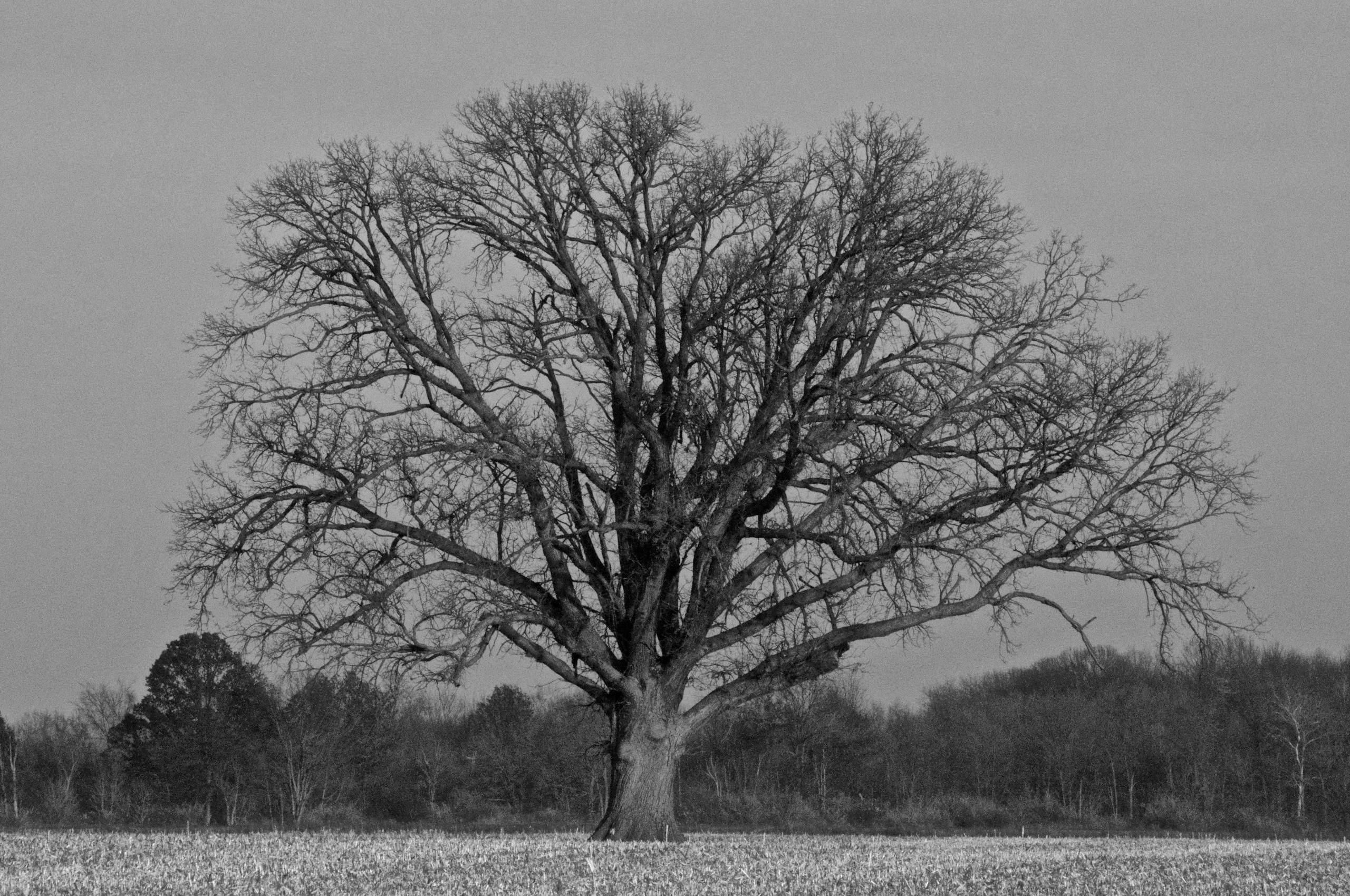
Ohio Champion Trees in Lewis Center, Ohio: Nature’s Hidden Giants 2026
Introduction — What Are Ohio Champion Trees?
In the heart of the American Midwest lies Ohio, a state often celebrated for its farmland, industry, and rolling landscapes. But beneath that familiar image is another identity: a place with remarkable trees that have quietly persisted for centuries. These are known as Ohio Champion Trees — the largest documented specimens of their species in the state based on a standardized measurement system.
The phrase “Ohio Champion Trees Lewis Center Ohio” may sound technical, but it points to something deeply rooted and profoundly beautiful: ancient trees spread across quiet neighborhoods, parks, and riparian corridors. In and around Lewis Center, Ohio, these arboreal giants offer insights into history, ecology, community values, and the future of conservation in an increasingly developed landscape.
This article explores what champion trees are, why they matter, how they’re measured, and how Lewis Center — a suburb of Columbus — has come to be a surprising refuge for some of Ohio’s most impressive trees. We’ll follow the roots of the science, the stories of these giants, and the human choices that help them survive in a changing world.
Understanding Champion Trees: The Science of Measurement
Champion trees aren’t myth or local folklore; they are defined by a rigorous scientific process. To earn the title of champion in Ohio, a tree must be measured according to a standardized system that quantifies its size in three dimensions:
- Trunk Circumference — Measured at 4.5 feet above the ground, this is the girth of the tree’s base.
- Total Height — The vertical measurement from the base to the highest living point.
- Crown Spread — The width of the tree’s canopy measured in multiple directions and averaged.
Each of these variables contributes to a score that determines whether a tree is the largest of its species in the state. This method mirrors national forestry standards and is overseen by agencies like the Ohio Department of Natural Resources (ODNR) in partnership with community volunteers.
A tree doesn’t need to be old to be a champion. Some species grow rapidly enough to develop massive circumference and broad crowns in a relatively short span, while others must rely on centuries of steady growth. But the champion designation always reflects a remarkable combination of genetic potential, favorable conditions, and uninterrupted time.
Champion trees are recorded in official registries managed both at the state level (by ODNR) and nationally (by American Forests). These lists are updated as new measurements are verified, and trees can gain or lose their champion status depending on discoveries and natural changes like storms or disease.

The Ecology of Champion Trees
Champion trees are not just large; they are ecological powerhouses.
Ecosystem Services
Large trees provide disproportionate benefits compared to smaller specimens:
- Carbon Storage: Mature trees store exponentially more carbon than younger trees, helping mitigate climate change.
- Shade and Cooling: Extensive canopies reduce local temperatures by shading ground and built surfaces.
- Water Regulation: Their roots absorb and retain vast amounts of water, preventing soil erosion and managing stormwater.
- Wildlife Habitat: Cavities, limbs, and foliage support birds, mammals, insects, and a wide range of other organisms.
Connection to Natural History
Champion trees served as silent witnesses to centuries of change. They stood before railroads, highways, and subdivisions marked the landscape. In Ohio’s shifting ecosystems — from pre-settlement forests to agricultural land and suburban growth — these trees remain living archives of past environments.
In Lewis Center’s case, ancient soils deposited by glacial action created deep, fertile ground ideal for long-lived hardwoods like oaks, maples, sycamores, and cottonwoods to establish and reach impressive size.
Lewis Center, Ohio: A Surprising Arboreal Habitat
Even as Lewis Center grows rapidly as a Columbus suburb, it quietly preserves pockets of natural heritage. What makes this area special isn’t just big trees themselves — it’s the context in which they exist.
History of the Land
Before houses, roads, and shopping centers rolled across Lewis Center, the land was part of a mosaic of wetlands, woodlands, and floodplain forests shaped by ancient glacial retreat. Early settlers cleared many trees for farmland, but some individuals survived because they offered shade, marked property lines, or simply grew too large to remove economically.
Today, that legacy of deep soils and varied landscape still favors large tree growth. As development expanded, not all trees were cleared; some were intentionally or accidentally preserved, creating successful conditions for champion-caliber specimens.
Champion Trees in Urban and Suburban Settings
Unlike state parks or wilderness areas, many Ohio champion trees near Lewis Center are found in everyday settings:
- Residential neighborhoods
- School yards and campuses
- Local parks and greenways
- Riparian corridors and drainage areas
These trees are often hidden in plain sight — not fenced off or heavily signed, but still impressive to anyone who stops to look up.
Examples of Notable Specimens
While precise official listings for Lewis Center can change over time as surveys are updated, several types of large tree species consistently stand out:
White Oak (Quercus alba)
White oaks are classic components of Ohio’s hardwood forests. Known for their longevity and strength, they are frequently identified among champion candidates near Lewis Center. Their expansive crowns and deep-rooted trunks provide habitat for wildlife and shade for ecosystems.
One particularly local white oak, though not always on the official champion list, is renowned for its huge trunk (measuring approximately 233 inches in circumference) and expansive canopy — a legacy tree that survived early suburban development by being preserved rather than removed.
Eastern Cottonwood (Populus deltoides)
Along drainage corridors and near water bodies, cottonwoods are some of the most visually striking trees in the Lewis Center area. These giants stand out for their height and broad spread, often towering above nearby homes and streets.
American Sycamore (Platanus occidentalis)
Sycamores are common near creeks and wetlands and are known for their distinctive mottled bark and massive girth. Their ability to grow quickly and reach great size makes them frequent contenders for champion status across Ohio.
Silver Maple (Acer saccharinum)
Silver maples thrive in moist soil and urban conditions. In Lewis Center, some specimens near older landscapes exhibit exceptionally wide crowns and deeply textured trunks that hint at long lifespans.
Ohio Buckeye (Aesculus glabra)
Although not always among the tallest, the Ohio Buckeye — the state tree of Ohio — holds cultural significance alongside champion status possibilities. In some parts of Lewis Center, buckeyes with broad canopies and strong trunk development have been noted as noteworthy individuals in local tree surveys.
The Human Role: Stewardship and Awareness
Champion trees don’t survive by accident alone. Their continued existence often reflects decisions by individuals, communities, and institutions.
Private Stewardship
Many of the trees around Lewis Center are on privately owned land. Homeowners who choose not to remove large trees — even when building driveways or remodeling yards — play a vital role in preservation. Some consult arborists to protect root systems and adjust construction plans so the tree can continue thriving.
Community Engagement
Local awareness programs, school projects, and nature walks that point out large trees help residents see their surroundings differently. What might once have been considered “just a big tree” becomes part of a statewide natural heritage program.
Nomination and Measurement
Anyone with interest can participate in champion tree nominations by submitting measurements and photos to the Ohio Department of Natural Resources. This community-science approach expands the pool of trees under consideration and encourages citizen involvement in conservation.
Champion Trees and Urban Planning
Champion trees remind planners and residents that development and nature can coexist. Rather than seeing growth and conservation as opposites, modern land use in places like Lewis Center increasingly integrates old trees as features in neighborhoods.
Some developers now market homes around heritage trees, emphasizing the character and aesthetic value they bring. Parks and public spaces highlight significant specimens as both educational resources and natural landmarks.
Such choices not only preserve biodiversity, but also enhance community identity and connection to place.
Exploring Champion Trees: Where and How
For those curious to explore Ohio champion trees, whether in Lewis Center or beyond, here are some practical considerations:
Public Access Trees
Champion trees in public parks or along greenways are usually accessible for observation, photography, and education. These include parks near Columbus that host recognized champions in easy-to-visit settings.

Respecting Private Land
Many notable trees are on private property. It’s important to admire these from a respectful distance unless given permission to approach. Champion status does not automatically open doors to public access.
Self-Measurement
If you think a tree you know might qualify, basic tools and careful measurement at 4.5 feet above ground can give you a rough idea of its potential champion score before official nomination.
Challenges and the Future
Champion trees face threats from disease, severe weather events, land development, and aging. Loss of a champion tree — whether to a storm or human activity — can remove a living link to ecological and cultural history.
Continued documentation and community engagement help ensure these giants are recognized and valued before they’re lost. Future champion trees may emerge from unexpected corners: an old tree in an abandoned field, a backyard oak pushing skyward, or a lone sycamore near a creek.
Conclusion
The phrase “Ohio Champion Trees Lewis Center Ohio” encapsulates more than just a search query or a list. It reveals a tapestry of ecology, history, community, and beauty woven through trees that have stood for generations.
In Lewis Center, champion trees exist quietly amid schools, neighborhoods, and parks — reminders that natural heritage often grows side by side with human progress. Appreciating these giants means seeing beyond their size to the stories they embody: of resilience, continuity, and coexistence.
From the deep-rooted white oaks and towering cottonwoods to the culturally significant buckeyes and resilient maples, Ohio’s champion trees offer both a sense of wonder and a call to stewardship. Whether you live nearby or are simply curious about these botanical treasures, take a moment to look up. You might just find a champion standing right in front of you.
ALSO READ MORE United Flight UA109 Diversion — A Complete and Detailed Explanation 2026