Dampfreis: A Journey through the World of Steamed Rice 2026
Introduction
Rice is one of the world’s most essential foods. It nourishes billions of people and forms the backbone of many diets. Across cultures, the method of preparing rice has evolved and diversified. Among these methods, dampfreis—the German term for steamed rice—holds a special place. Though simple in concept, dampfreis represents a harmony of science, tradition, flavor, and nutrition. This article explores every aspect of dampfreis: its origins, cultural significance, preparation techniques, scientific principles, variations across the world, health implications, and modern innovations. By the end, you will understand why this humble dish is far more than just boiled grains—it is a global culinary cornerstone.
Chapter 1: What Is Damfreis?
At its core, damfreis is rice cooked by steaming rather than boiling. The rice grains absorb steam at high temperature, allowing them to swell and become tender without being washed away in water. Unlike boiled rice, where grains can become mushy if overcooked, properly made dapfreis yields individual grains that are separate, moist, and flavorful.
What sets dampfreis apart from other rice preparations is the steam’s gentle, uniform heat. This ensures that:
- The grains cook evenly.
- Nutrients are preserved.
- The texture remains light and fluffy.
Although the word dampfreis comes from the German language, the method of steaming rice is ancient and universal.
Chapter 2: A Brief History of Rice and Dapfreis
Rice cultivation began around 9,000 years ago in Asia, specifically in regions of China and India. Over centuries, rice spread through trade, conquest, and migration. Along with it came techniques for preparing rice. These techniques varied by region, climate, and culture.
In Asia, rice steaming became closely associated with communal life and ceremonial traditions. In Japan, gohan (steamed rice) is eaten twice daily and is considered spiritual sustenance. In Southeast Asia, steamed rice forms part of offerings to ancestors and gods.
In Europe, rice was originally a luxury imported through the Silk Road and Mediterranean trading routes. It first appeared in Italy, Spain, and then spread northward. As cooks experimented, the technique of steaming rice—dampfreis—emerged as a reliable method to prepare rice in European kitchens.
Today, dampfreis is both an everyday staple and a refined culinary technique used by chefs worldwide.
Chapter 3: The Science behind Dampfreis
Understanding the science of dampfreis helps explain why steamed rice is so beloved:
1. Heat Transfer
In dampfreis, heat is transferred through steam rather than direct boiling water. Steam surrounds each grain and penetrates it slowly and evenly. This prevents the grains from swelling too quickly or bursting.
2. Starch Gelatinization
Rice grains contain starch. When heated with moisture, the starch granules absorb water and swell—a process called gelatinization. In dampfreis, steam provides just enough water vapor for gelatinization without oversaturating the grains.
3. Aroma and Flavor
Steaming preserves volatile compounds in rice that contribute to aroma and taste. Unlike boiling, where soluble flavor compounds can leach into water, dampfreis keeps these compounds within the grain.
4. Texture Control
A key advantage of dampfreis is texture control. The chef can vary cooking time and steam intensity to produce:
- Firm, distinct grains (ideal for salads)
- Soft, creamy rice (for congee or porridge)
- Sticky rice (for sushi or desserts)
Chapter 4: Step‑by‑Step Guide to Making Perfect Dampfreis
Here is a detailed, practical guide to preparing classic dampfreis at home:
Ingredients
- 1 cup rice (long grain, short grain, basmati, or jasmine)
- Water (for rinsing and steaming)
- Pinch of salt (optional)
- Butter or oil (optional)
Equipment
- Bowl
- Fine mesh sieve
- Heavy‑bottomed pot with tight‑fitting lid
- Steamer basket (optional)
Instructions
1. Rinse the Rice
Rinse the rice under cold water until the water runs clear. This removes excess surface starch and prevents stickiness.
2. Soak (Optional)
Soak the rice for 20–30 minutes. Soaking allows grains to hydrate and shortens cooking time.
3. Add Water
For dampfreis, the water ratio is slightly less than for boiled rice. Typically:
- Long grain rice: 1 cup rice to 1.25 cups water
- Short grain rice: 1 cup rice to 1.5 cups water
4. Heat and Steam
Bring the water to a boil, then reduce heat to low and cover tightly. Let steam cook the rice for 15–20 minutes. Do not lift the lid during cooking.
5. Resting Period
After steaming, turn off heat and let the rice rest, covered, for another 10 minutes. This redistributes moisture and perfects the texture.
6. Fluff and Serve
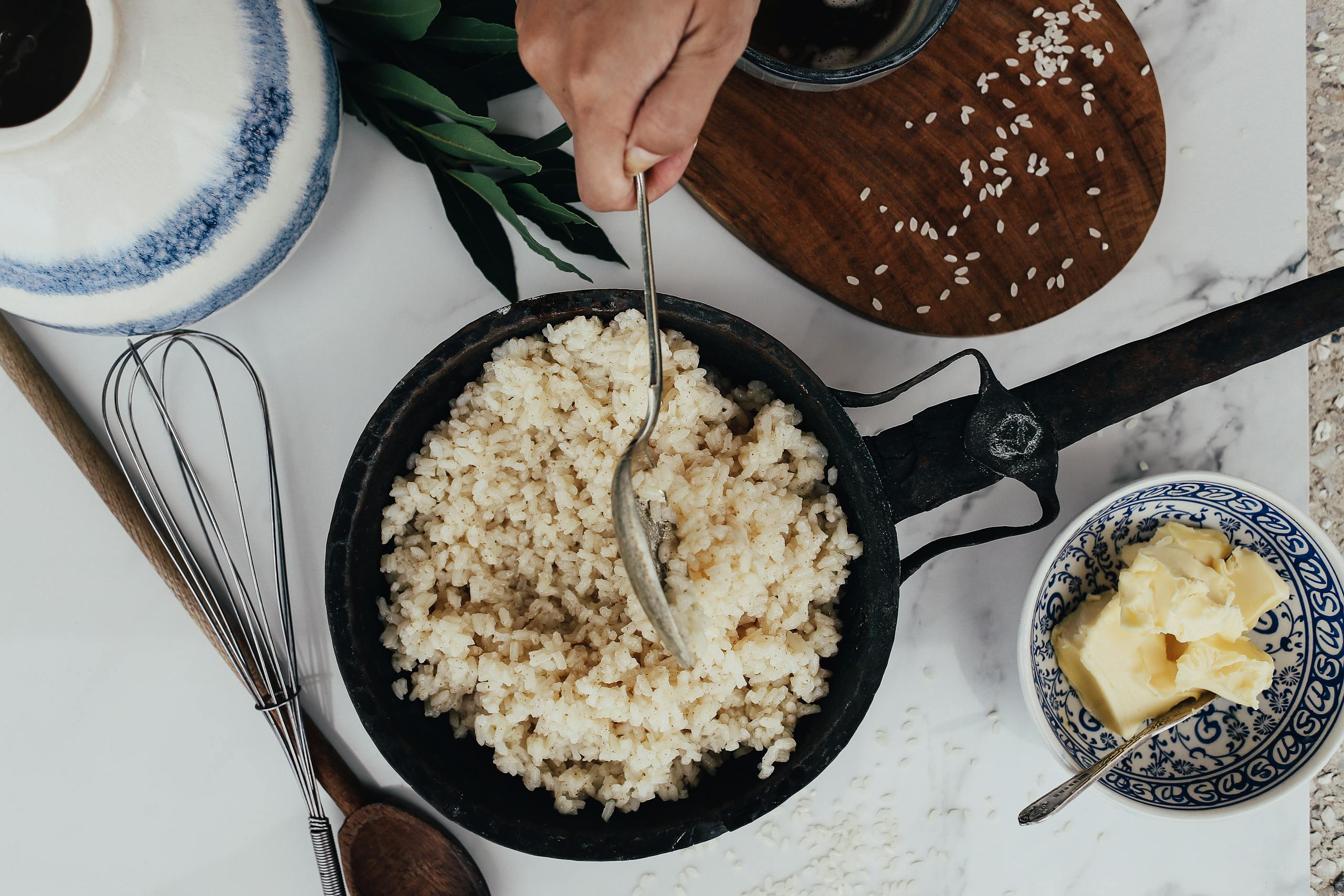
Use a fork to fluff the rice gently. Serve warm.
Tips for Success
- Avoid lifting the lid during cooking.
- Use high‑quality rice for best flavor.
- Floating a banana leaf or pandan leaf on the rice during steaming can enhance aroma.
Chapter 5: Cultural Significance of Dampfreis
Asia
In Japan, steamed rice (gohan) is more than food—it is the foundation of every meal. Japanese households traditionally measure meals by the number of rice bowls served. The simplicity of dampfreis mirrors Japanese culinary philosophy: natural flavors should shine.
In China, steamed rice is eaten with almost every meal. It may be paired with stir‑fried vegetables, meats, sauces, and soups. In southern China, rice is even used to make desserts and cakes.
South Asia
In India, steamed rice is a staple across many regions. In the south, rice is often served with lentils (dal) and curries. In Assam and Bengal, rice has sacred significance and appears in festivals and religious rituals.
Southeast Asia
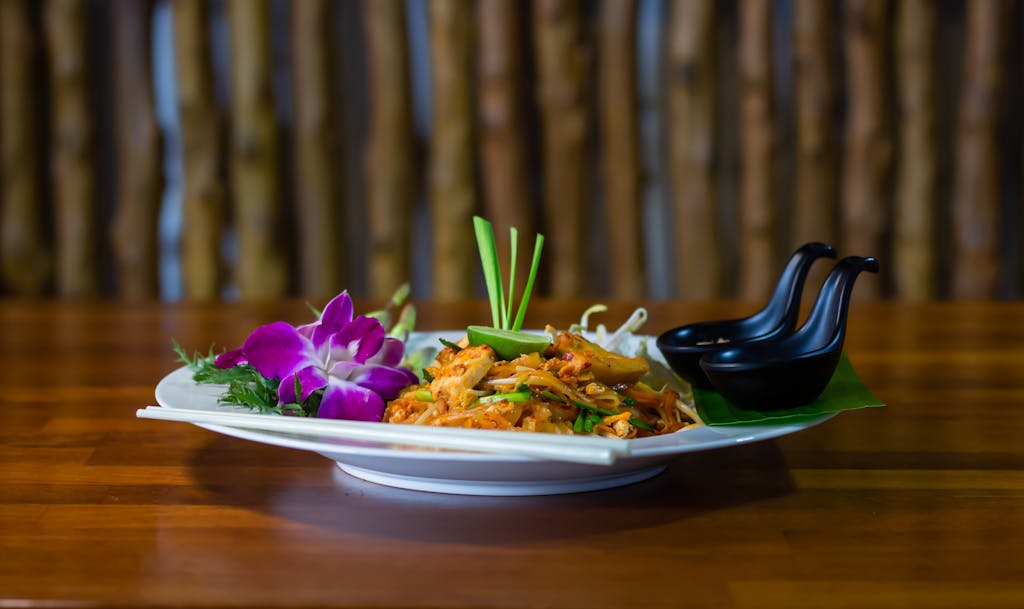
In Thailand and Vietnam, jasmine and sticky rice varieties are steamed. In Thailand, khao niao (sticky rice) is eaten with mango desserts, grilled meats, and spicy salads.
Europe
In European kitchens, dampfreis has been adapted into dishes such as risotto, paella, and rice puddings. Though these dishes may use different cooking techniques, the principle of gentle heat and flavor infusion echoes the spirit of dampfreis.
The Americas
Rice arrived in the Americas through trade and colonization. In the southern United States, rice formed the basis of jambalaya and pilaf. In Latin America, rice is steamed with beans, spices, and vegetables.
Chapter 6: Variations of Dampfreis Around the World
Steamed rice is universal, yet every region brings its own twist:
1. Japanese White Rice
Short‑grain rice steamed until plump, slightly sticky, and glossy. Often seasoned with vinegar for sushi.
2. Chinese Jasmine Dampfreis
Long‑grain fragrant rice steamed to light, fluffy perfection. Served with stir‑fried dishes.
3. Thai Sticky Rice
Glutinous rice that becomes sticky when steamed. Paired with savory and sweet dishes alike.
4. Indian Idli Rice
Special rice used to make idli batter; soaked, ground, and steamed into soft cakes.
5. Spanish Bomba Rice
Used in paella; absorbs broth while steaming in the pan, creating rich, flavorful grains.
6. Italian Risotto
Technically not steamed but cooked slowly with broth, demonstrating how rice can absorb flavors while retaining texture.
7. Caribbean Rice and Peas
Rice steamed with coconut milk, beans, and spices. Aromatic and hearty.
Each variation demonstrates a unique cultural lens while honoring the essence of dampfreis—tender, steam‑infused rice.
Chapter 7: Dampfreis in Modern Cuisine
Today’s chefs have reimagined dampfreis in exciting ways:
- Risotto reinterpretations with unconventional grains.
- Rice salads with steamed grains and fresh herbs.
- Fusion dishes combining Eastern dampfreis with Western sauces and proteins.
- Rice desserts such as kheer, arroz con leche, and panna cotta‑style rice puddings.
Even in fine dining, the technique of steaming rice—controlling moisture, texture, and temperature—remains foundational.
Chapter 8: Nutritional Value of Dampfreis
Steamed rice is wholesome and versatile. Its nutritional profile varies depending on the rice type:
Long Grain White Rice
- High in carbohydrates
- Easy to digest
- Often enriched with vitamins
Brown Rice
- Higher in fiber
- Contains more vitamins and minerals
- Slower to digest, keeping you full longer
Black and Red Rice
- Rich in antioxidants
- Deep flavor and unique color
Steaming preserves nutrients better than boiling, as fewer soluble vitamins are lost in water. Dampfreis can be part of a balanced diet when paired with proteins, vegetables, and healthy fats.
Chapter 9: Dampfreis for Special Diets
Gluten‑Free
Rice is naturally gluten‑free. Dampfreis fits easily into gluten‑free diets.
Low‑Fat
Steamed rice contains minimal fat. Add lean proteins and vegetables for balanced meals.
Vegan and Vegetarian
Dampfreis is plant‑based. Combined with legumes and seasonal produce, it becomes a complete meal.
Kid‑Friendly
Steamed rice is gentle on young stomachs and easy for children to eat.
Chapter 10: Common Mistakes and How to Avoid Them
Even experienced cooks can make mistakes with dampfreis. Here are common pitfalls:
1. Too Much Water
This leads to mushy, sticky rice. Use correct rice‑to‑water ratios.
2. Lifting the Lid
Opening the lid lets steam escape and interrupts cooking. Wait until resting time is over.
3. Rinsing Too Much
While rinsing removes excess starch, over‑rinsing can wash away flavor.
4. High Heat
Steaming on high heat creates uneven texture. Use low and steady heat for even cooking.
Chapter 11: Creative Dampfreis Recipes
Here are a few inspired dishes based on dampfreis:
1. Mediterranean Rice Bowl
Steamed rice with olive oil, roasted vegetables, olives, and feta.
2. Asian Style Rice with Tofu
Dampfreis with soy‑ginger glaze and sesame seeds.
3. Tropical Coconut Rice
Steamed rice cooked with coconut milk and topped with mango.
4. Herb Lemon Rice
Fluffy dampfreis with fresh herbs and citrus zest for bright flavor.
Each recipe showcases how dampfreis can adapt to global tastes.
Conclusion
In its simplicity, dampfreis teaches us something profound: the perfect dish requires patience, respect for ingredients, and a deep understanding of technique. Through steaming, rice transforms from a plain grain to a foundation of cultures, traditions, and flavors. From the hearths of Asia to the modern kitchens of Europe and beyond, dampfreis continues to nourish bodies and connect people.
Whether you enjoy it as simple steamed rice with dinner or elevate it into a gourmet dish, dampfreis remains timeless. It is more than food—it is history, culture, science, and art on a plate.
ALSO READ MORE The Comprehensive 1st Guide to Utilities: Types, Importance, and Future Trends