Dental Software News Today: A Deep Dive into Trends, Innovations & Emerging Solutions 2026
In an era of rapid digital transformation, dental software continues to evolve at an unprecedented pace. From artificial intelligence (AI) tools embedded into practice workflows to cloud-native platforms redefining efficiency and patient care, dental technology is shaping the future of dentistry. This article explores the latest news, developments, investments, market dynamics, real-world applications, and what this means for dental practices today.
📈 H2 The State of Dental Software in 2026
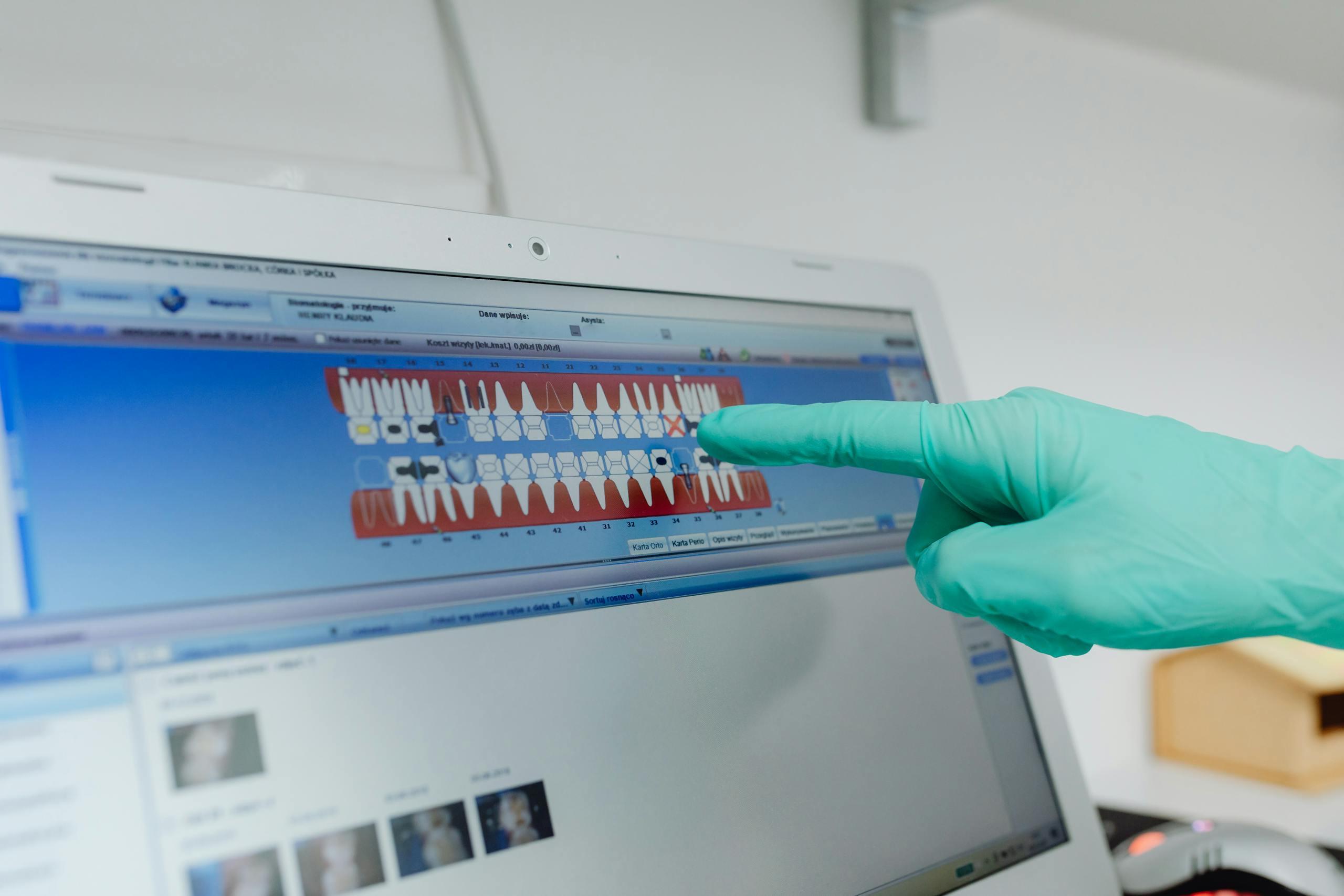
Dental software encompasses a wide range of tools designed to assist clinical and administrative tasks — from practice management and patient scheduling to imaging, billing, communication, and analytics. With digital technologies becoming central to practice operations, today’s dental software isn’t just a tool — it’s an integral part of clinical productivity and business growth.
According to recent market research, the dental practice management software segment continues to show strong growth potential — driven by AI integration, cloud-based solutions, and the increasing complexity of practice operations that need automated workflows and data insights. (openPR.com)
🧠 H2 AI Takes Center Stage in Dental Software
Artificial intelligence is arguably the biggest driver of innovation in dental software today. Software providers are embedding AI to automate tasks previously done by humans, reducing repetitive work and enhancing accuracy.
AI in Imaging and Clinical Workflows
One of the most recent developments is the integration of AI into dental imaging software. Planmeca’s Romexis 7 software now includes AI-powered imaging tools that automatically assign tooth numbers and improve workflow efficiency. (Dentistry Today)
AI Chat and Intelligent Assistance
Platforms like DentiMax Flow have expanded beyond basic management systems to embed intelligent, natural-language AI capabilities. Users can interact with the software and ask questions about complex practice data, insurance codes, and operational insights with simple text commands — a significant shift from traditional dashboards. (Dentistry Today)
AI is not limited to administrative tasks; advanced vision models are being researched in academic circles to interpret radiographs and improve diagnostic support. These approaches aim to extend dental AI from narrow functionality to broader clinical intelligence. (arXiv)
☁️ H2 Cloud-Native Solutions & Practice Management Platforms
Dentistry is shifting rapidly toward cloud-based practice management, with vendors delivering scalable, flexible, and remote-ready solutions.
Curve Dental’s Leadership in Cloud Innovation
Curve Dental continues to earn industry recognition as a leading cloud-native dental practice management platform. In 2026, it was named a leader in cloud and AI technology in the new HealthStream Ventures Dental Technology Landscape Report — solidifying its role in modern practice operations. (PR Newswire)
Additionally, Curve Dental has launched integrated AI tools designed to embed intelligence throughout the practice workflow — from insurance eligibility verification to documentation automation — helping practices operate more efficiently while focusing on patient care. (PR Newswire)
New Partnerships & Integrations
Integrations between vendors help practices reduce friction between systems. For example, Clerri announced a new authorized integration with Open Dental Software, which aims to streamline workflows and bring membership plan management closer to daily practice operations. (PR Newswire)
Similarly, planet DDS — another major cloud-based provider — is expanding growth resources and support for emerging dental groups, positioning itself as a key partner for dental support organizations (DSOs). (Business Wire)
💼 H2 Business Dynamics and Market Growth
Market Forecasts
Industry reports project solid growth for dental practice management software globally, with market valuations expected to reach new highs in the coming decade. The growth is fueled by:
- Increased cloud adoption
- AI and automation integration
- Enhanced patient engagement tools
- Consolidation of disparate systems under unified platforms (openPR.com)
Acquisitions and Industry Consolidation
The dental software landscape is seeing strategic acquisitions as companies work to expand their portfolios and integrate complementary technologies. Notable acquisitions include Standard Dental’s purchase of iCoreConnect’s assets, expanding its capabilities in billing, insurance verifications, and analytics. (Dentistry Today)
Industry summaries also highlight multiple acquisitions across dental tech, including software companies, 3D printing tech, and lab platforms, reflecting consolidation across the broader dental ecosystem. (beckersdental.com)
🪥 H2 Specialized Software Developments
Imaging and CAD/CAM Workflow Software
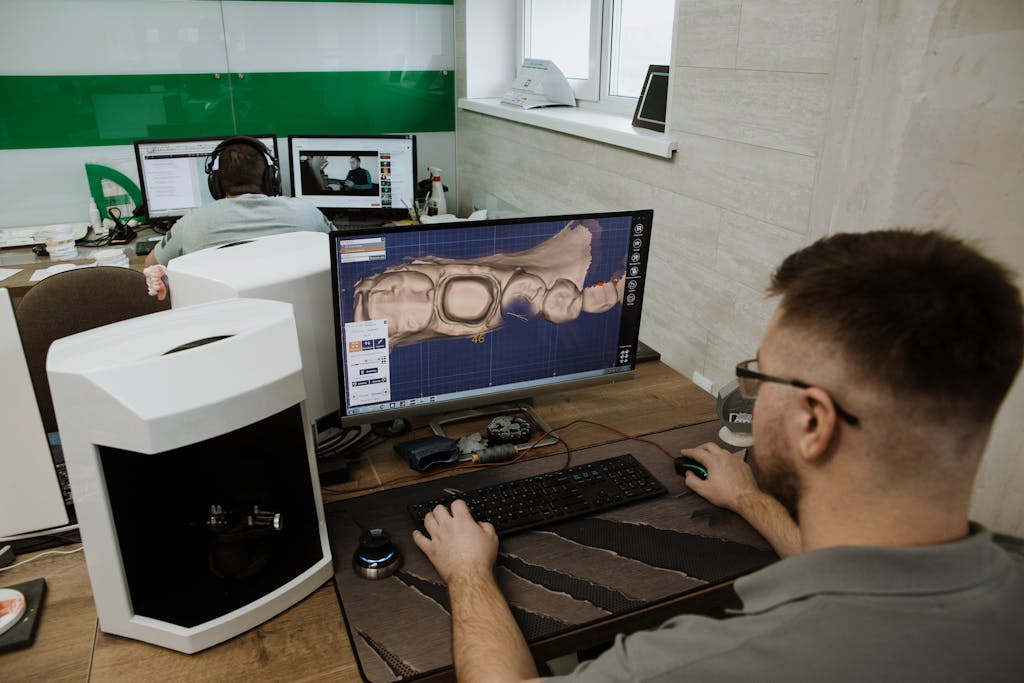
Visual design and lab-oriented software is also evolving. 3Shape announced enhancements to its Dental System 2024 software, offering AI-driven crown design automation, improved workflow speed, and productivity gains for dental laboratories. (PR Newswire)
This reflects a broader trend where CAD/CAM workflows and lab software are moving closer to real-time collaboration and supercharged design automation.
Digital Collaboration Tools
Beyond practice management, tools like Dandy’s real-time video collaboration suite connect dentists and lab technicians directly, ensuring more accurate treatment planning and prosthetic design. (GlobeNewswire)

📊 H2 Cisco Strategies and Interoperability
Interoperability — the ability of different systems to work together seamlessly — remains a critical focus.
For example, Vyne Dental’s expanded commitment to interoperability with Open Dental Software demonstrates industry willingness to bridge technology gaps between revenue cycle vendors and practice management systems. (PR Newswire)
Similarly, collaborations between patient engagement platforms and core dental software systems help practices unify appointments, reminders, and feedback channels through integrated software. (Dentistry Today)
🧩 H2 Challenges in Dental Software Adoption
Despite rapid innovation, dental practices face several challenges when adopting new software:
Legacy System Limitations
Many dental offices still rely on older practice management software with clunky interfaces, hard-to-navigate dashboards, or limited integration capabilities. Practitioners often cite frustrations with usability and the difficulty of generating meaningful reports. (Reddit)
Digital Divide
A notable portion of dental clinics — especially in emerging markets — continue to use paper records or outdated systems. Transitioning to modern software requires investment in training, support, and change management. (Reddit)
Vendor Lock-In & Customization
Proprietary platforms sometimes make it difficult to customize workflows or integrate third-party tools, sparking interest in more open ecosystems or flexible APIs that vendors are increasingly adopting.
📌 H2 Real-World Impact on Practices
Enhanced Efficiency & Workflow Automation
Cloud-based and AI-powered tools reduce repetitive administrative tasks, minimize errors, and free up dental staff to focus on patient care — improving both productivity and operational capacity.
Better Patient Experience
Modern dental software also enhances the patient experience, from automated appointment reminders to online forms and more responsive front-desk interactions.
Analytics-Driven Decisions
Practices can now access real-time dashboards that reveal trends in patient volume, procedure profitability, and billing efficiency — helping them make data-driven decisions that boost revenue and performance.
❓ Frequently Asked Questions (FAQs)
🧠 Q1: What exactly is “dental software”?
Dental software refers to digital tools that help dental practices manage clinical workflows, appointment scheduling, patient records, billing, imaging, and communications. Modern dental software integrates administrative tasks with clinical workflows to improve efficiency and patient care.
☁️ Q2: What are the benefits of cloud-based dental software?
Cloud-based solutions offer remote access across devices, automatic updates, scalability, and reduced need for in-house servers or IT expertise. They also facilitate better collaboration among staff and integrate easily with third-party tools.
🤖 Q3: How is AI being used in dental software?
AI in dental software assists with:
- Automated insurance verification
- Natural language interaction
- AI-powered imaging and diagnostics
- Intelligent billing and charting assistance
- Predictive analytics for practice outcomes
These tools help streamline workflows and reduce manual workload. (Dentistry Today)
🔐 Q4: Are dental practice management systems secure?
Yes, reputable vendors implement industry-standard encryption, compliance with data protection regulations (like HIPAA in the U.S.), and secure cloud hosting to protect patient information. Practices should always verify vendor security practices before adoption.
💡 Q5: How can a dental practice choose the right software?
Key considerations include:
- Practice size and workflow needs
- Cloud vs. on-premise options
- Integration with imaging and billing tools
- Ease of use and support availability
- Cost and long-term scalability
FAQ 1: What are the latest trends highlighted in dental software news today?
Dental software news today focuses heavily on artificial intelligence, cloud-based systems, and automation. AI is being used to enhance imaging accuracy, automate charting, improve insurance verification, and assist with diagnostics. Cloud-based dental software is gaining popularity because it allows remote access, real-time updates, and easier integration with third-party tools. Another major trend is interoperability, where different software platforms work seamlessly together. Patient engagement tools such as online booking, automated reminders, and digital forms are also receiving attention, improving both practice efficiency and patient satisfaction.
FAQ 2: Why is dental software news important for dental practices?
Dental software news is important because it helps dental professionals stay informed about new technologies that can improve efficiency, profitability, and patient care. Software updates and innovations often introduce features that reduce manual work, minimize errors, and streamline workflows. By following dental software news today, practices can make better decisions when upgrading or switching systems. It also helps dentists understand industry standards, security improvements, and compliance requirements. Staying updated ensures practices remain competitive, adopt best practices, and leverage technology to meet evolving patient expectations in a digital healthcare environment.
FAQ 3: How does dental software innovation impact patient care?
Dental software innovation directly enhances patient care by improving accuracy, communication, and efficiency. Advanced imaging software helps dentists diagnose conditions more precisely, while AI-powered tools assist in treatment planning. Modern dental software also improves patient experience through online appointment scheduling, faster check-ins, and automated reminders. Secure digital records ensure continuity of care and reduce paperwork errors. As highlighted in dental software news today, these innovations allow dental teams to spend more time focusing on patients rather than administrative tasks, resulting in better outcomes, stronger patient relationships, and higher overall satisfaction.
Conclusion: The Future of Dental Software is Here
Dental software today isn’t just about managing appointments or storing patient records — it’s about transforming the entire dental workflow. With AI, cloud computing, increased interoperability, and smarter automation, dental practices are more empowered than ever to deliver efficient, patient-centric care.
Recent news shows that vendors are racing to integrate intelligence deeply into practice workflows, foster connectivity across systems, and expand capabilities that were once manual and labor-intensive. From smarter imaging tools to real-time collaboration platforms, today’s dental software landscape is vibrant, competitive, and full of promise.
As the industry continues to embrace digital transformation, dental professionals who stay informed and adaptable will find themselves better equipped to meet the needs of patients and manage the future of dentistry successfully.
ALSO READ MORE Pappedeckel: Everything You Need to Know About Cardboard Lids 2026